
Non-Traditional Wedding Timeline Ideas for Nearlyweds Who Want to Do Things Differently
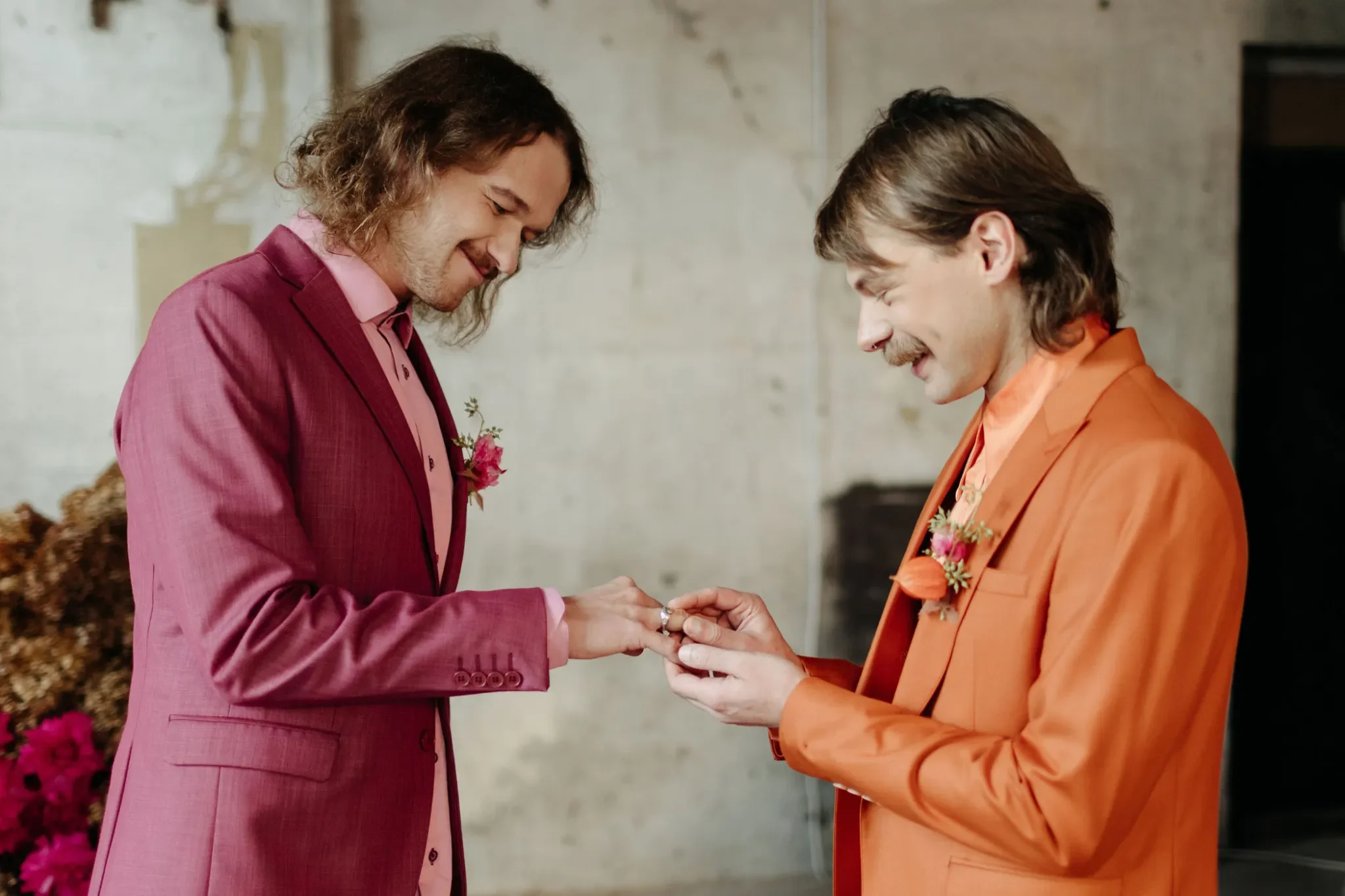
Photo by Inta Photography
One of the most liberating discoveries many couples make during wedding planning is this: There are no rules. Wedding magazines and planning guides often present a standard timeline, but the truth is that modern weddings can be structured in countless different ways.
If you're planning a celebration that feels more like a festival, house party, creative gathering or community event, a traditional schedule may not be the best fit. The 🌟 good news 🌟 is that you can design a timeline around the experience you actually want to create. Talk to your venue about possibilities around catering and available space to ensure you get the day you’re dreaming of.
Why Traditional Timelines Don't Work for Everyone
The classic wedding format typically looks something like this:
Ceremony
Drinks reception
Formal meal
Speeches
Cake cutting
First dance
Evening party
Snacks
Home time
For some couples, that's perfect. For others, it feels restrictive. Alternative, bespoke weddings prioritise connection, creativity and flexibility over tradition. That means rethinking the schedule from the ground up.
The Weekend Wedding
One of the most popular alternatives to the age-old format is extending the celebration across an entire weekend. Instead of squeezing everything into a single day, couples create multiple opportunities for guests to connect, enjoy themselves and to make memories.
For example, you might have:
Friday:
Welcome drinks
Campfire gathering
Food trucks or a barbeque
Saturday:
Ceremony
Dinner - be that a sit-down meal, pizza party, buffet or something else entirely!
Party
Sunday:
Brunch
Farewell gathering
This approach reduces pressure and allows guests to enjoy the experience more fully. It also allows for everyone to stay on site or nearby, creating a happy little bubble for longer than the usual twelve hours. Lush.
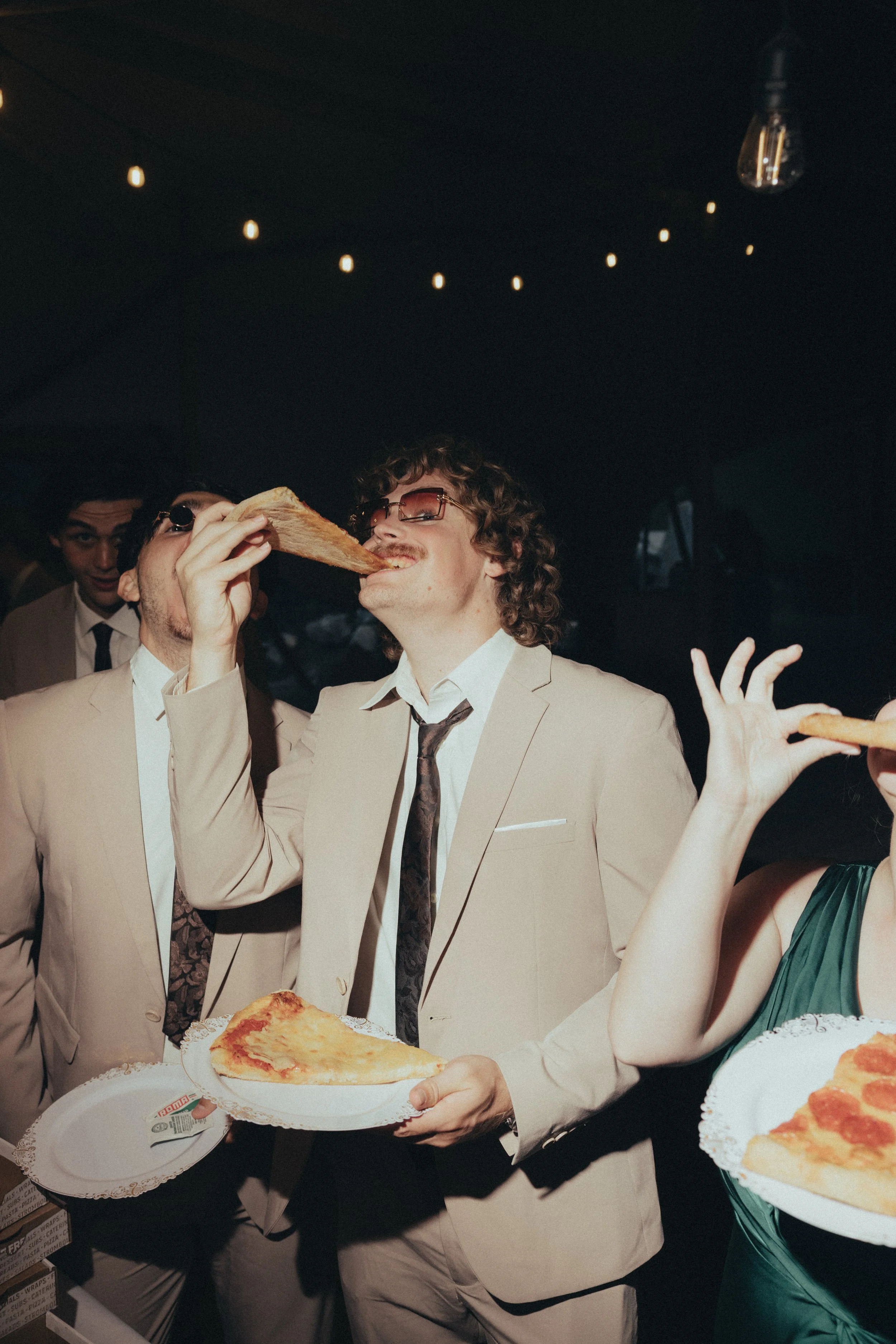
Photo by Stratman Imagery
The Festival Schedule
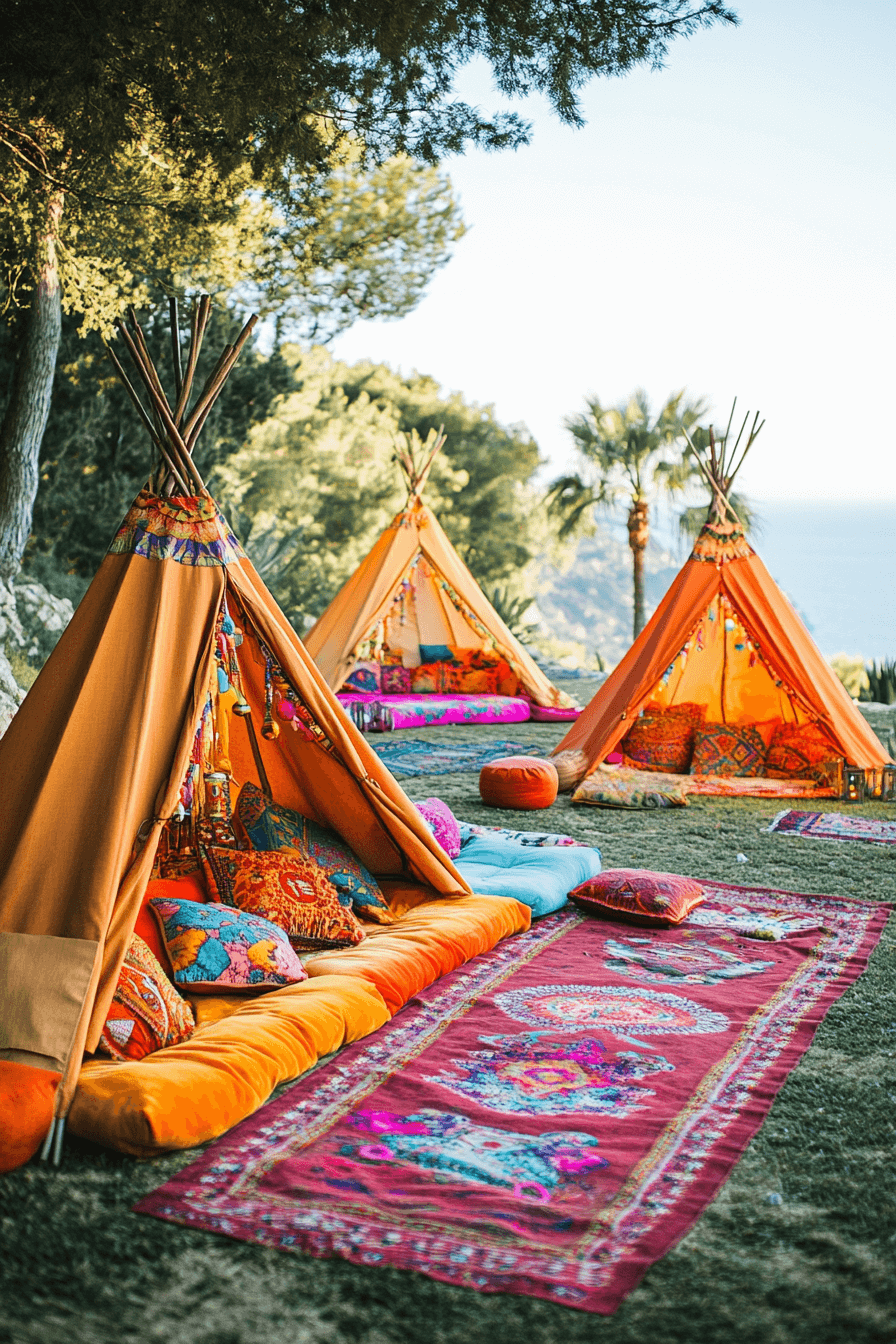
Borrow some ideas from your favourite music festivals! Instead of a rigid timetable, the day could include multiple activities and experiences, where guests can choose how they spend their time. This is perfect if you’re planning a wedding outdoors where you can have marquees or big-top tents to host various parts of the day.
A festival-style programme might include:
Live music
Lawn games
Temporary tattoos
Tarot readings
Cocktail workshops
Rides or inflatables
Silent discos
This creates a relaxed atmosphere and encourages interaction. It makes things feel really exciting and guests’ needs can be accommodated as they get choices on how to spend their time and where.
The First Look Timeline
Many to-be-weds are moving away from the tradition of seeing each other for the first time at the ceremony. A first look allows you to:
Spend more time together
Reduce nerves
Take photographs earlier
Enjoy more of the reception without being whisked away for photos
This often results in a more relaxed wedding day where you feel you can chill out and celebrate, work the crowd and be together.
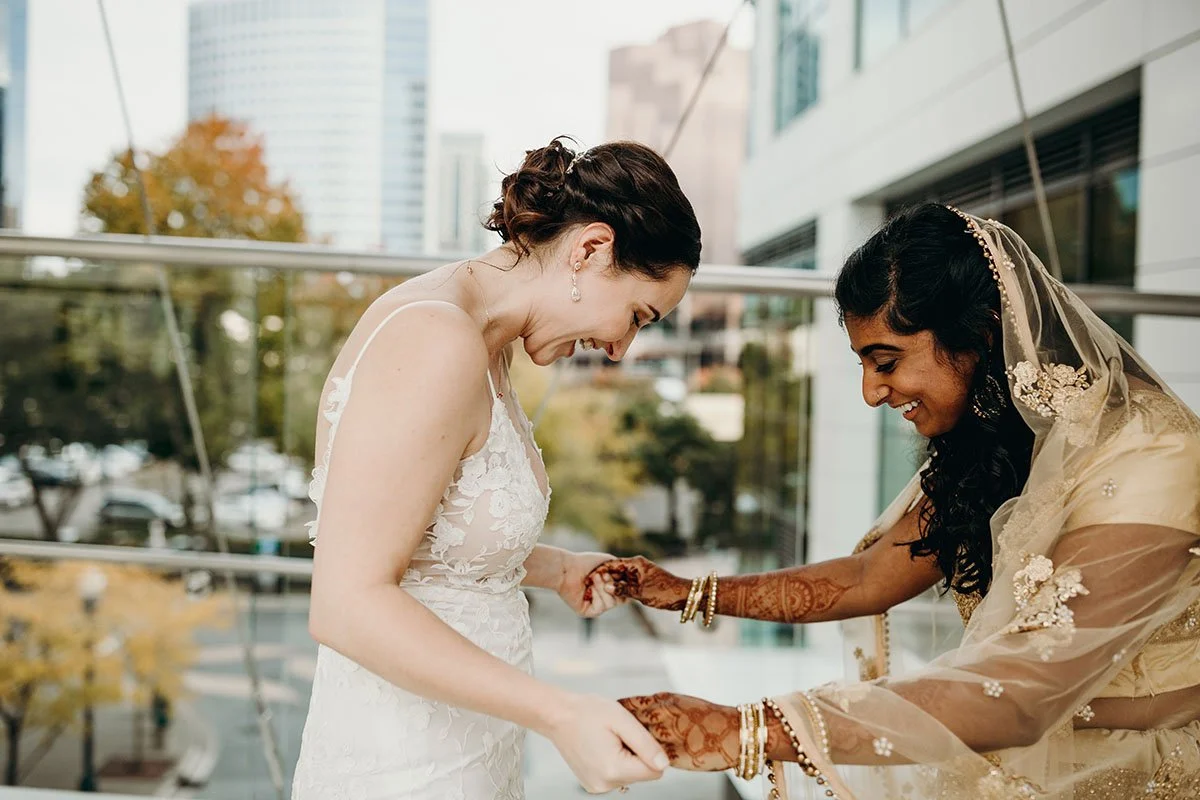
Photo by Carley Jayne Photography
The Daytime Dance Party
Who says dancing has to wait until evening? Daytime dance parties are becoming increasingly popular. Imagine:
Your ceremony begins at midday
Food trucks and cocktails follow after
You have a live band at 3pm
The dance floor opens by 4pm and allows for guests to dip in and out throughout your (obviously awesome) playlist
The energy is incredible and guests often love the unexpected format. Plus there’s more chances to see some memorable dance moves as the evening progresses!
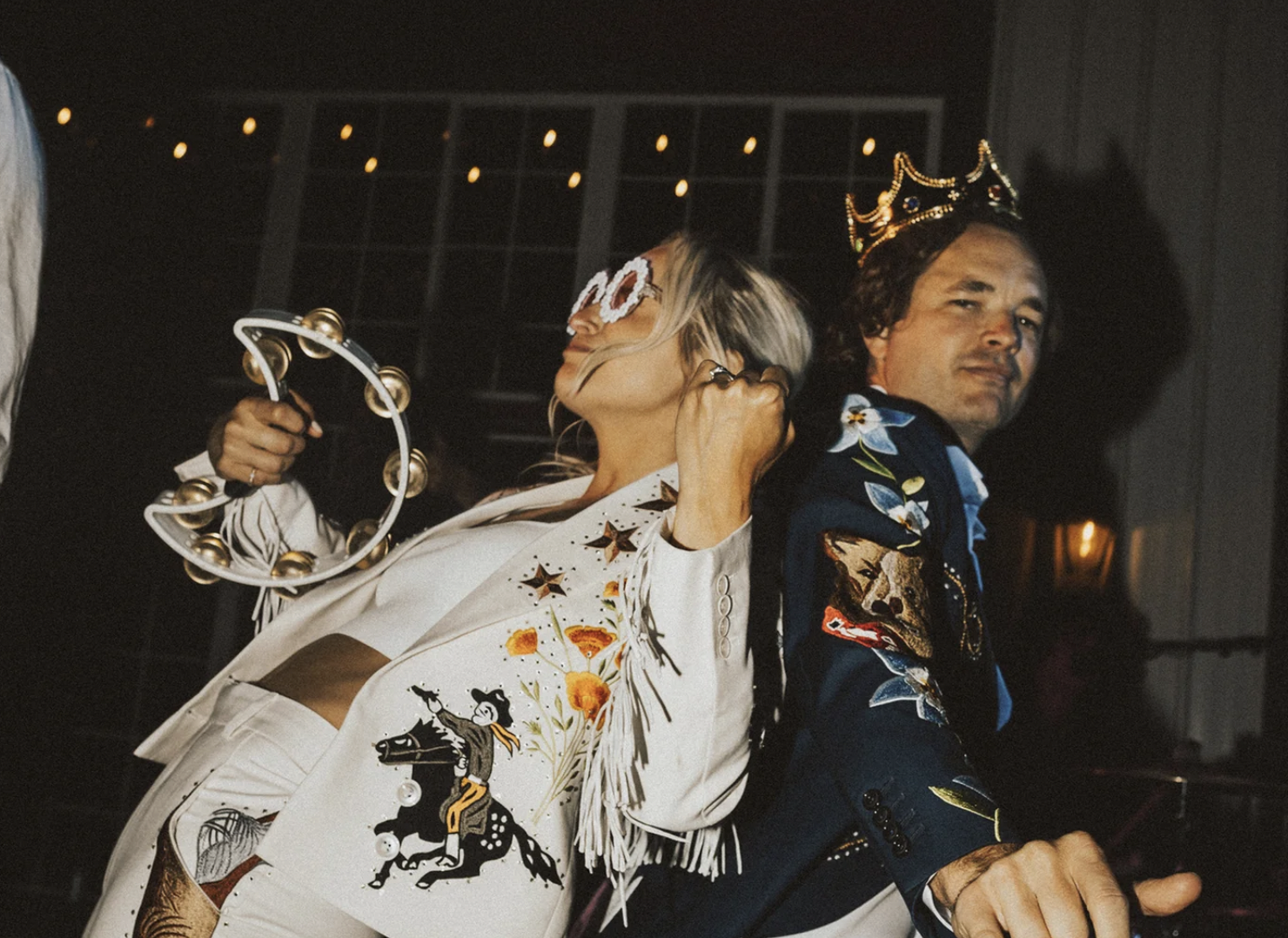
Suits by Addicted Bespoken
The Reverse Timeline
Some couples choose to host a party before the ceremony. This can work particularly well for festival weddings and multi-day celebrations. Guests arrive, settle in, socialise and enjoy entertainment before gathering for the ceremony later in the day.
This format creates a sense of anticipation and community, with guests looking forward to gathering round and seeing you tie the knot.
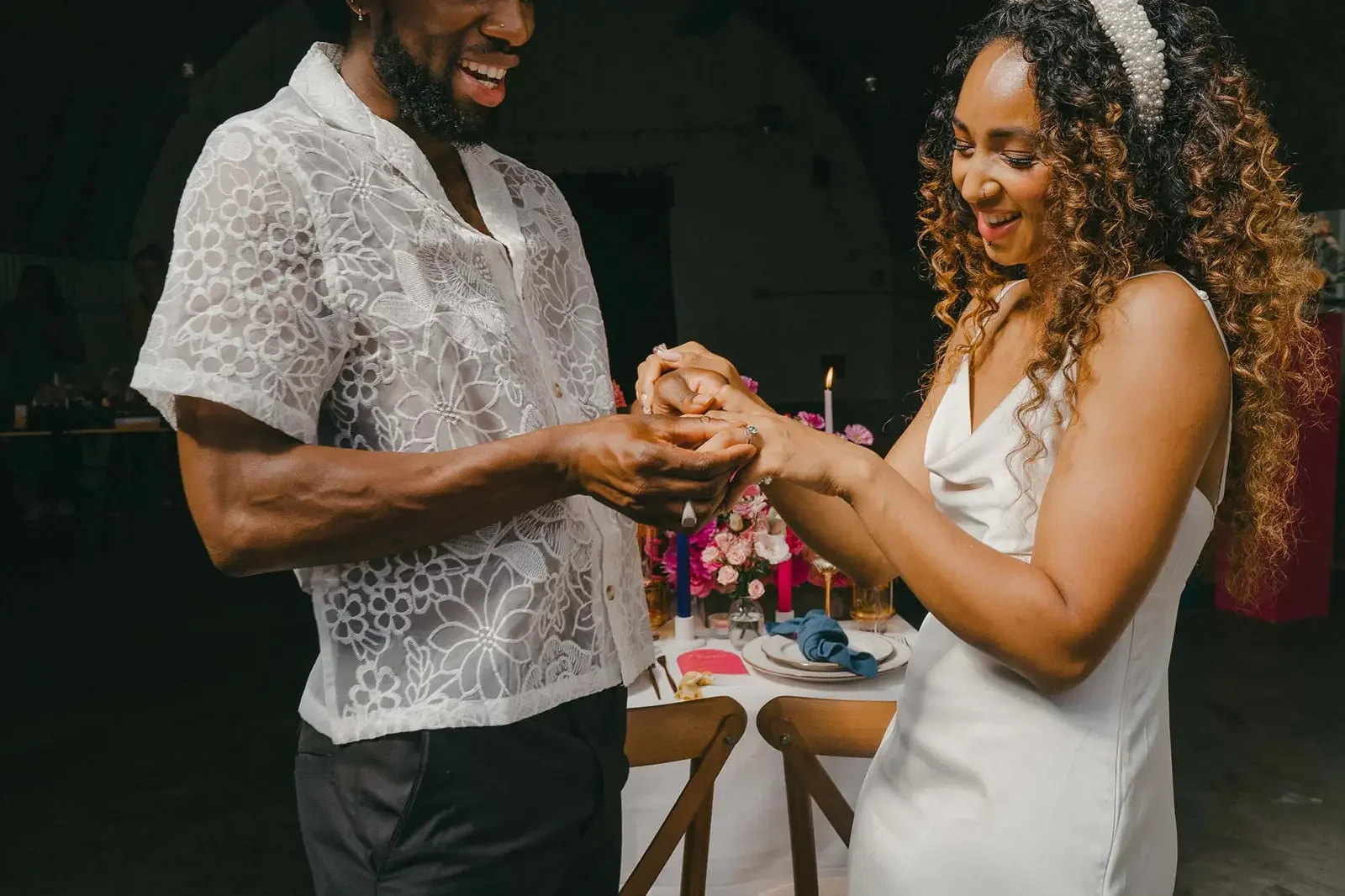
Photo by Joséphine Elvis
Creating Space for Rest
One of the most overlooked aspects of wedding planning is energy management. Many guests appreciate opportunities to step away from the action.
Consider including:
Quieter seating areas
Garden spaces
Chill-out zones with soft seating and low lighting
Lounge areas
This helps create a more inclusive experience for guests with different needs and energy levels (and for those needing to pace themselves!)
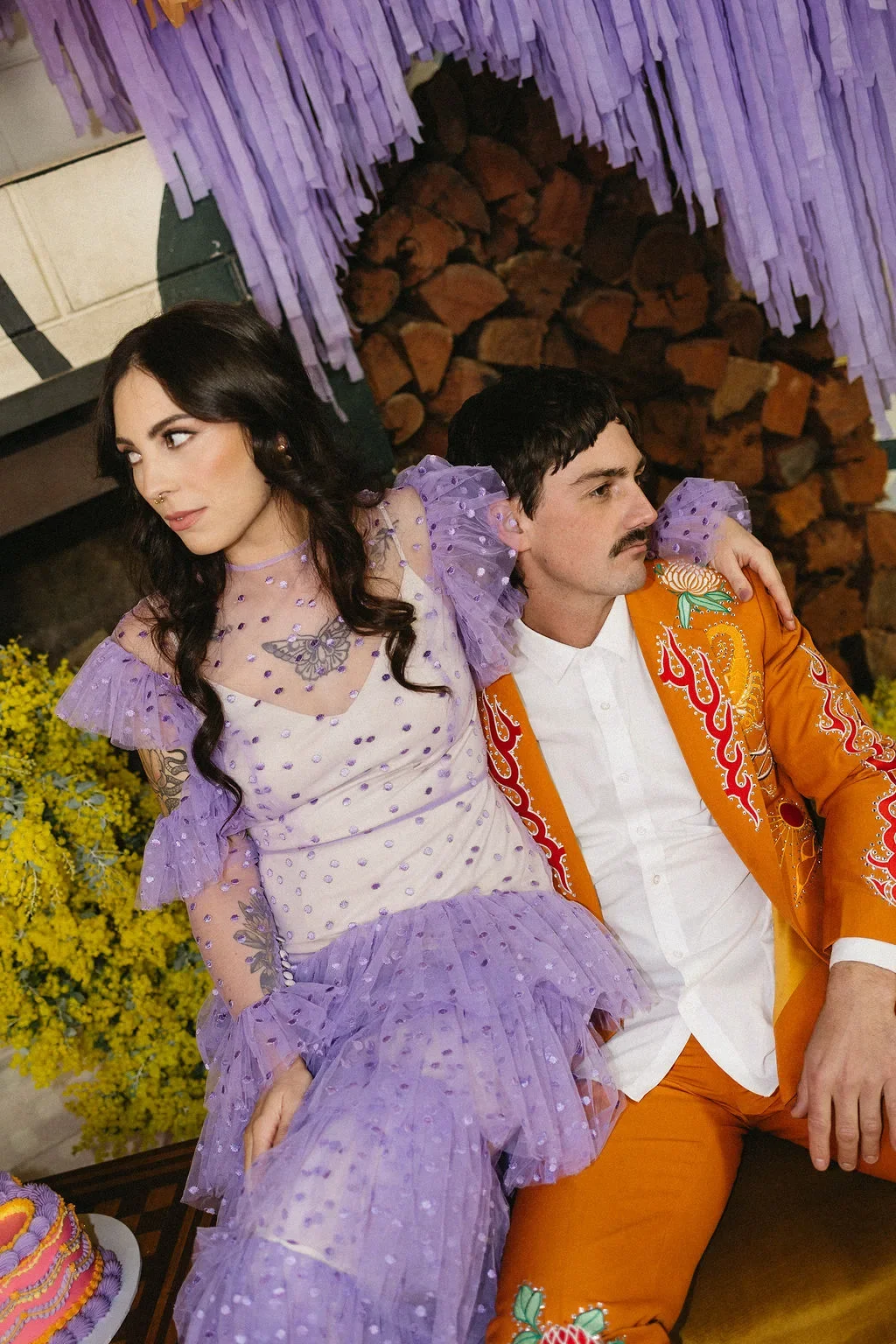
Photo by Little Black Bow Photography
Designing Your Own Traditions
The best wedding timeline is not the one that follows the most traditions, it's the one that supports the atmosphere you're trying to create. If speeches feel stressful, move them - or ditch them completely! If you'd rather dance before dinner, do that. If you'd prefer an entire weekend of celebrations, you can make that happen!
Your wedding timeline should serve your vision, not the other way around. The most memorable weddings are rarely the ones that follow a formula; they're the ones that feel authentic to the people at the centre of them.
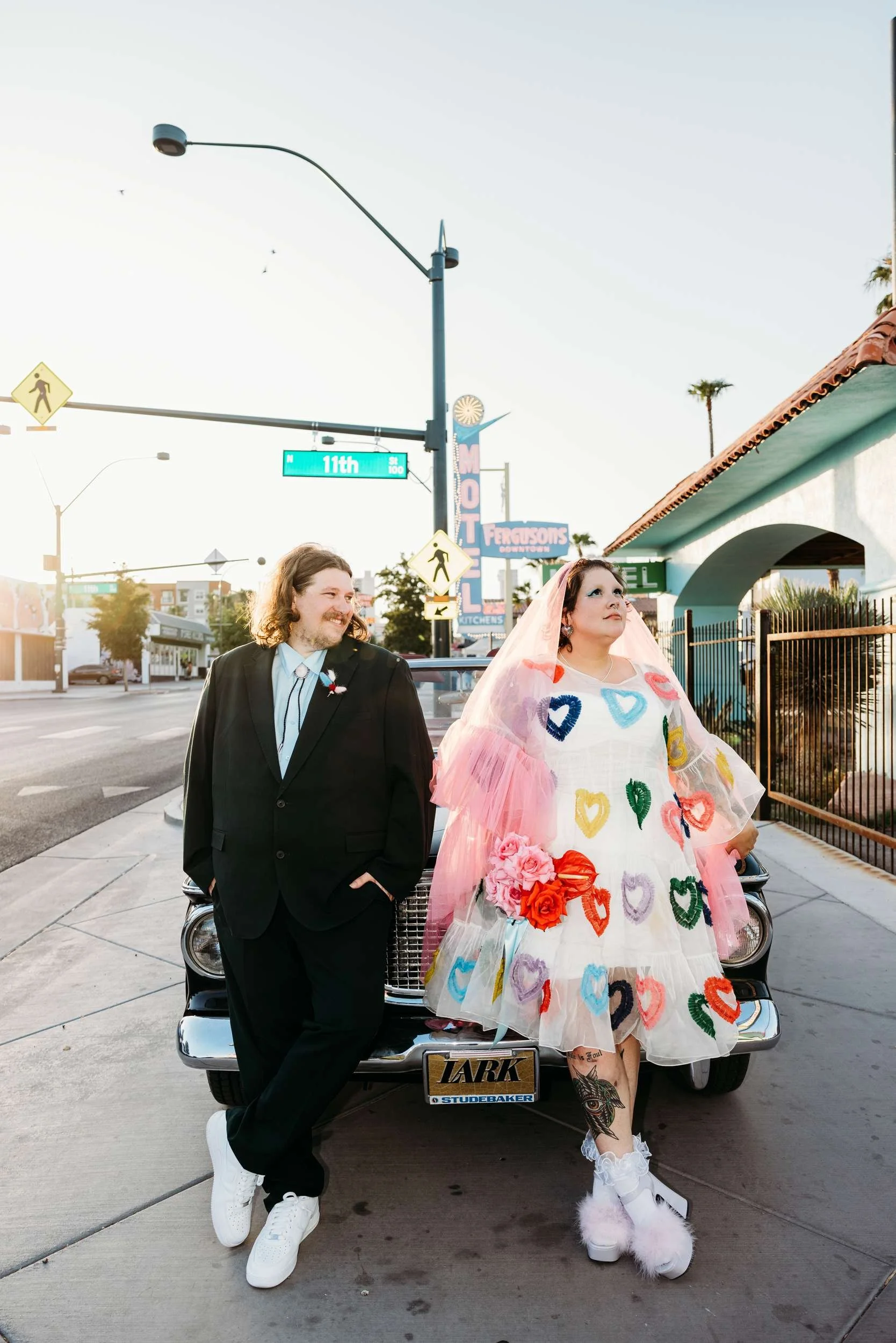
Photo by Of Colour and Hue
I’m always so excited to hear your plans and to help guide you with your wedding planning, especially if you’re looking for alternatives to traditional ways of getting married or for supplier recommendations. Get in touch and we can chat all about it!